
Organic certification & materials
Not just natural. Certified organic.
Anyone can call their product “natural.” We hold ourselves to a higher standard — independently certified to the Global Organic Textile Standard (GOTS), the world’s leading standard for organic textiles.
We’re the original certified organic mattress — first to certification in America. Every year, independent audits verify certified organic inputs, approved processing methods, and full supply chain compliance from raw fiber to finished product.
Third-party verified
Our certification
GOTS – the most rigorous standard available for organic textiles – covers the entire supply chain from farm to finished product, verified annually by an independent third party.

Global Organic Textile Standard
The Global Organic Textile Standard (GOTS) is the world’s leading standard for organic textiles. The USDA National Organic Program acknowledges that finished textile products meeting GOTS criteria can be marketed and sold as organic in the U.S. GOTS certifies every stage of the supply chain — from raw fiber through manufacturing — including chemical inputs, processing methods, and labor standards.
Unlike certifications that cover only a single material or component, GOTS certifies the finished product. Our license number is public and searchable.
- Certifies the finished product — not just individual components
- 95%+ certified organic fiber content required
- Prohibits certain substances and polyurethane foam
- Covers fair wages and safe working conditions throughout the supply chain
- Independently audited every year by professional certifiers
- USDA National Organic Program acknowledges GOTS-compliant products as organic
GOTS-prohibited substances
What’s not in our mattress
GOTS prohibits these materials entirely. We never use them in any product.
-
Polyurethane foam
Petroleum-derived. Found in certain conventional and even some “natural” mattresses. Explicitly prohibited by GOTS.
-
Chemical flame retardants
Organic wool is our natural flame barrier.
-
Fiberglass
Used in budget mattresses as a flame barrier.
-
Synthetic adhesives
No synthetic conventional glues.
-
Azo dyes & formaldehyde
Prohibited under GOTS.
-
GMO materials
All fiber sources — cotton, wool, latex — must come from non-GMO origins under GOTS.
Don’t be fooled by green disguises™
How to spot a fake organic claim
Sadly, greenwashing is widespread in the organic textile industry. Educate yourself before you shop.
Common greenwashing trends
-
GOTS or GOLS logos with no certification numberThe logo alone means nothing. Every legitimate GOTS-certified entity has a public license number that you can look up at global-standard.org. If a brand displays the logo but won’t share their number, treat it as unverified.
-
The USDA organic seal on textilesThe USDA organic seal is a food standard. It has no legal definition or enforcement authority for mattresses or bedding. Brands display it to borrow credibility from a seal consumers recognize and trust from the grocery store.
-
“100% organic” on a finished textileThere is no “100% organic” grade for textiles under any recognized standard. GOTS requires a minimum of 95% certified organic fiber content for the “organic” label. Any brand claiming 100% is either misrepresenting the standard or using a grade they invented.
-
Supplier certificates instead of brand certificationA certificate issued to a cotton mill or latex farm proves that supplier once sold certified organic material — it does not prove the brand still sources from them, or that certified material ended up in the specific product you’re buying. Look for a certificate with the brand’s own name on it as the certificate holder.
-
A scope certificate without the product annexesA scope certificate is an official document issued annually by the certifying body to a certified entity — but only after a successful independent audit. It lists exactly which products and processes the certification covers. Some brands show only the cover page, which looks official but proves nothing. The pages that matter are the product annexes — the specific list of certified items. Without them, you cannot verify whether the mattress you’re buying is actually "in scope." If a brand won’t share the full certificate, ask why.
-
One certified material marketed as a certified productA GOTS-certified cotton cover wrapped around a polyurethane foam core is not an organic mattress — it’s a conventional mattress with an organic cover. GOLS-certified latex alongside a chemical flame retardant is not a certified finished product. Always ask what the certification covers, not just which materials it touches.
-
Certifying one component and going quiet about the restSome brands certify the single most visible or marketable material — organic cotton ticking, say — while the fill, flame barrier, adhesives, and processing remain entirely conventional. GOTS finished-product certification requires the entire product to meet the standard, not just the part on the label.
-
“Natural,” “eco-friendly,” “clean,” or “non-toxic” with no standard behind itThese terms may have no legal definition, no auditor, and no number you can look up. They are marketing language, not certifications. A brand that leads with these words and buries or omits their certification number deserves more scrutiny, not less.
Certifications listed above for comparison purposes only.
Transparency
Verify us yourself
Our certification is publicly searchable. You don’t have to take our word for it.
1st
We’re the original certified organic mattress — first to certification in America.
Certification & materials
The organic supply chain
From how raw materials are farmed to the finished product in your home, GOTS sets requirements across the entire supply chain — including animal welfare and fair labor. Here’s what that looks like in practice.

Organic farming standards
Organic Agriculture
No synthetic pesticides, herbicides, or GMOs. Our cotton and wool come from farms that meet strict organic standards — better for the soil, the farmers, and your family.
Humane treatment standards
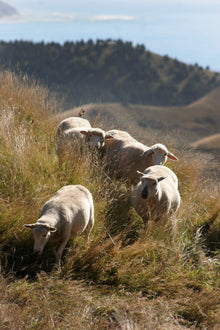
Animal Welfare
Wool sourced from sheep raised without mulesing and with access to pasture. No preventative antibiotics, no growth hormones — the animals that contribute to your sleep are treated with care.
Fair labor standards
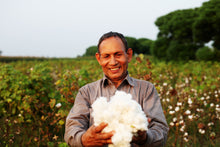
Social Welfare
Fair wages, safe working conditions, and no child or forced labor — verified throughout the entire supply chain.
What’s inside every Lifekind mattress
Three certified organic materials — each sourced and verified to the same standard as the certification itself.
Pure & breathable
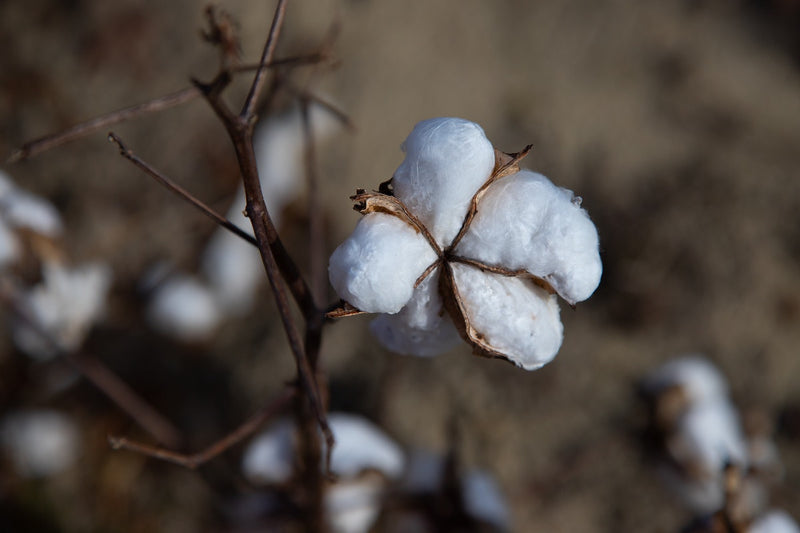
Certified Organic Cotton
Certified organic cotton knit and woven fabrics are made from the highest quality organic cotton fiber available. Exceptionally soft, durable, and naturally beautiful — tends not to snag, tear, or stain even after many years of normal use.
Natural fire barrier
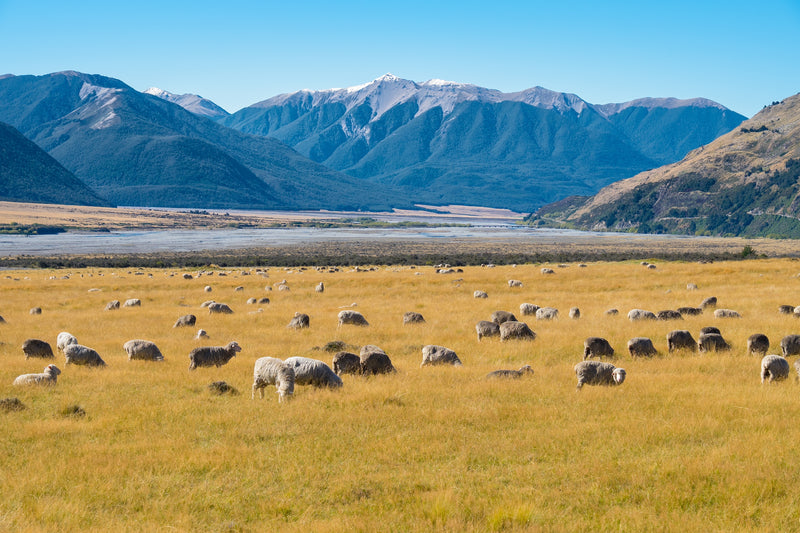
Certified Organic Wool
Sourced from New Zealand family and commercial farmers adhering to strict organic standards. Naturally regulates temperature, wicks moisture, and serves as our natural flame barrier — no PBDE, no boric acid, no PFAS.
Resilient & pure
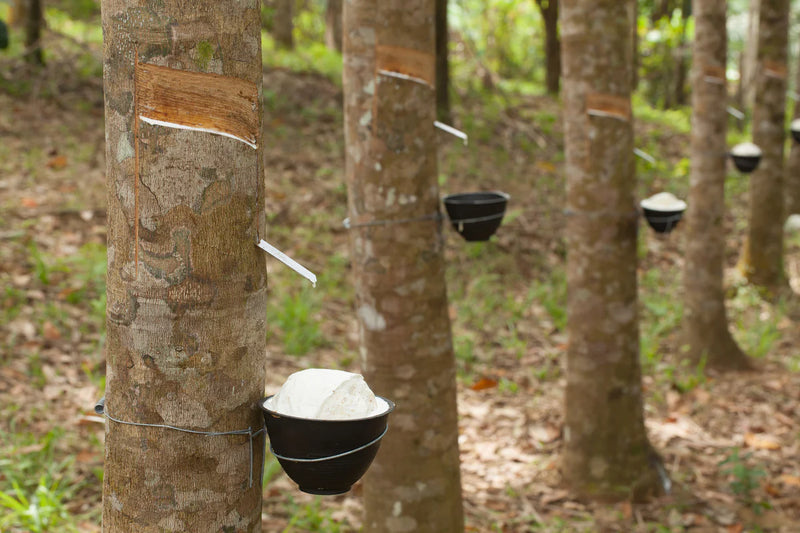
Certified Organic Latex
Sustainably sourced from certified organic plantations — botanical rubber sap extracted and heat-treated into a durable core. Responsive support, natural cooling, no synthetic foams. Organic standards restrict chemical inputs used in processing.